
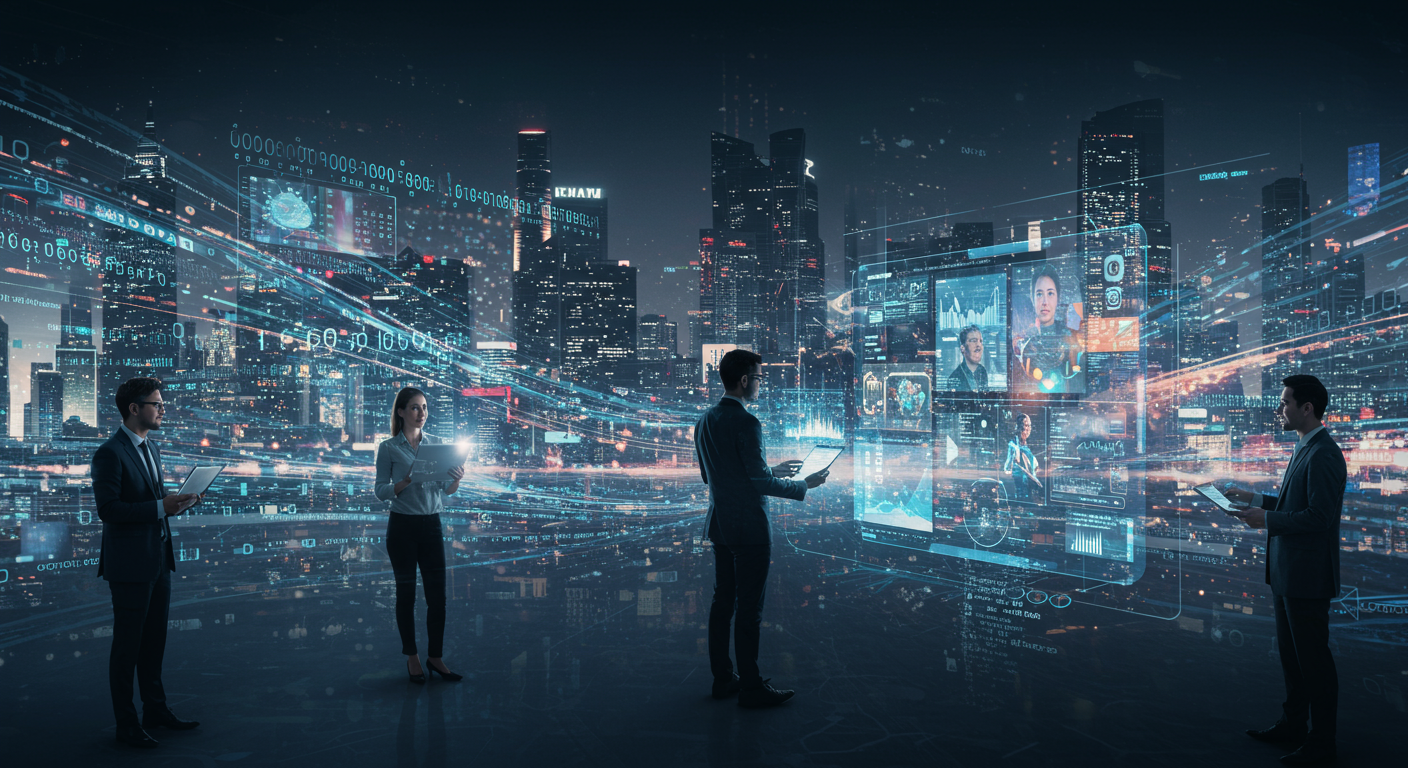
The Shockwave Moment: Why AI Video Is the New Content Engine
The content landscape is undergoing a seismic shift. For years, AI-powered content creation tools have promised efficiency and scale, but often fell short on quality or practicality. Now, in late 2025, a confluence of factors – plummeting hardware and software costs, significant performance leaps in AI models, and widespread accessibility – is turning that promise into a reality. AI video generators are no longer a futuristic novelty; they are rapidly becoming the new engine of content creation, particularly for short-form and vertical video formats dominating social media.
The price plunge of platforms like Google Veo 3, with a recent 47% reduction in costs, is a key indicator of this change. This affordability, coupled with the increasing sophistication of open-source and proprietary platforms like Runway, Pika, and Sora, provides brands with real, viable choices. The days of prohibitive costs and limited options are fading, replaced by a landscape of accessible, powerful tools.
GPT-5 Supercharges Automation—The New Creative Pipeline
While the advancements in video generation are significant, the true game-changer is the integration of GPT-5. This latest iteration of OpenAI’s large language model brings unprecedented capabilities to the creative process. GPT-5’s improved spatial and temporal logic allows for remarkably accurate storyboarding, multi-shot logic for complex scenes, and rapid localization of content into multiple languages. This isn’t just about automating simple tasks; it’s about fundamentally reshaping the creative pipeline.
Consider the power of Whisper Transcription, integrated into a multi-language workflow. Brands can now quickly and accurately transcribe video content, translate it into numerous languages, and generate localized scripts – all powered by AI. This ensures brand consistency and dramatically accelerates the speed of content delivery to global audiences. The integration of GPT-5 with video generation APIs unlocks a level of automation previously unimaginable.
Strategic Opportunities for Brand Leaders
The implications for brand leaders are profound. First, procurement strategies must be rewired. The falling “per second” video costs necessitate a reevaluation of creative budgets, allowing for more frequent test-learn cycles and faster iteration. Instead of focusing on producing a few high-cost, polished videos, brands can now experiment with a wider range of concepts and formats, leveraging AI to quickly generate and test variations.
Workflow automation is another critical opportunity. From batch localization to augmenting user-generated content, and the rise of agent frameworks for ticketing and creative operations, AI can streamline every stage of the content creation process. Imagine an AI agent automatically identifying trending topics on social media, generating video scripts, and producing short-form videos tailored to those trends – all without human intervention. This level of automation frees up creative teams to focus on higher-level strategic initiatives.
However, with great power comes great responsibility. Risk management is paramount. Brands must address the potential for intellectual property infringement, the proliferation of deepfakes, and the need for robust watermarking standards. Legal and communications teams must anticipate these challenges and develop proactive strategies to mitigate them. A clear understanding of AI-generated content policies and compliance requirements is essential.
Action Plan: Key Moves for the Next 90 Days
The time to act is now. Over the next 90 days, brand leaders should prioritize the following: update content operations and procurement checklists to explicitly include AI video generation capabilities (moving beyond simply considering “AI copywriting”); pilot “vertical-first” and short-form AI video campaigns specifically designed for social and owned channels; and partner with technical leads to assess integration paths with GPT-5 and the latest video APIs.
Crucially, build safety checks into every workflow. Implement robust review processes, utilize watermarking technologies, and ensure compliance with all relevant regulations. Don’t treat AI video as a separate initiative; integrate it seamlessly into your existing content strategy. At Blog News, we help brands navigate these complex transitions, offering expert guidance and tailored solutions to unlock the full potential of AI-powered video.
The AI video revolution isn’t coming; it’s here. Those who embrace it strategically, harness the power of GPT-5, and proactively address the associated risks will be the ones who thrive in the evolving content landscape. Ignoring this shift is not an option. The future of content is visual, automated, and powered by AI.
Navigating the Future with Confidence
The speed of innovation in AI video is breathtaking. Staying informed and adaptable is crucial. Resources like AI CERTS, Hootsuite’s social media trend reports, and Harvard Professional Education’s insights into the future of marketing can provide valuable guidance. However, the most important step is to experiment, learn, and iterate. Don’t be afraid to try new things, fail fast, and refine your approach based on data and results.
The opportunity to connect with audiences in more engaging and impactful ways has never been greater. AI video empowers brands to tell their stories more effectively, reach wider audiences, and drive meaningful results. By embracing this technology and adopting a strategic mindset, you can position your brand for success in the years to come. Blog News is dedicated to providing the insights and support you need to navigate this exciting new era of content creation.




Leave a Reply