
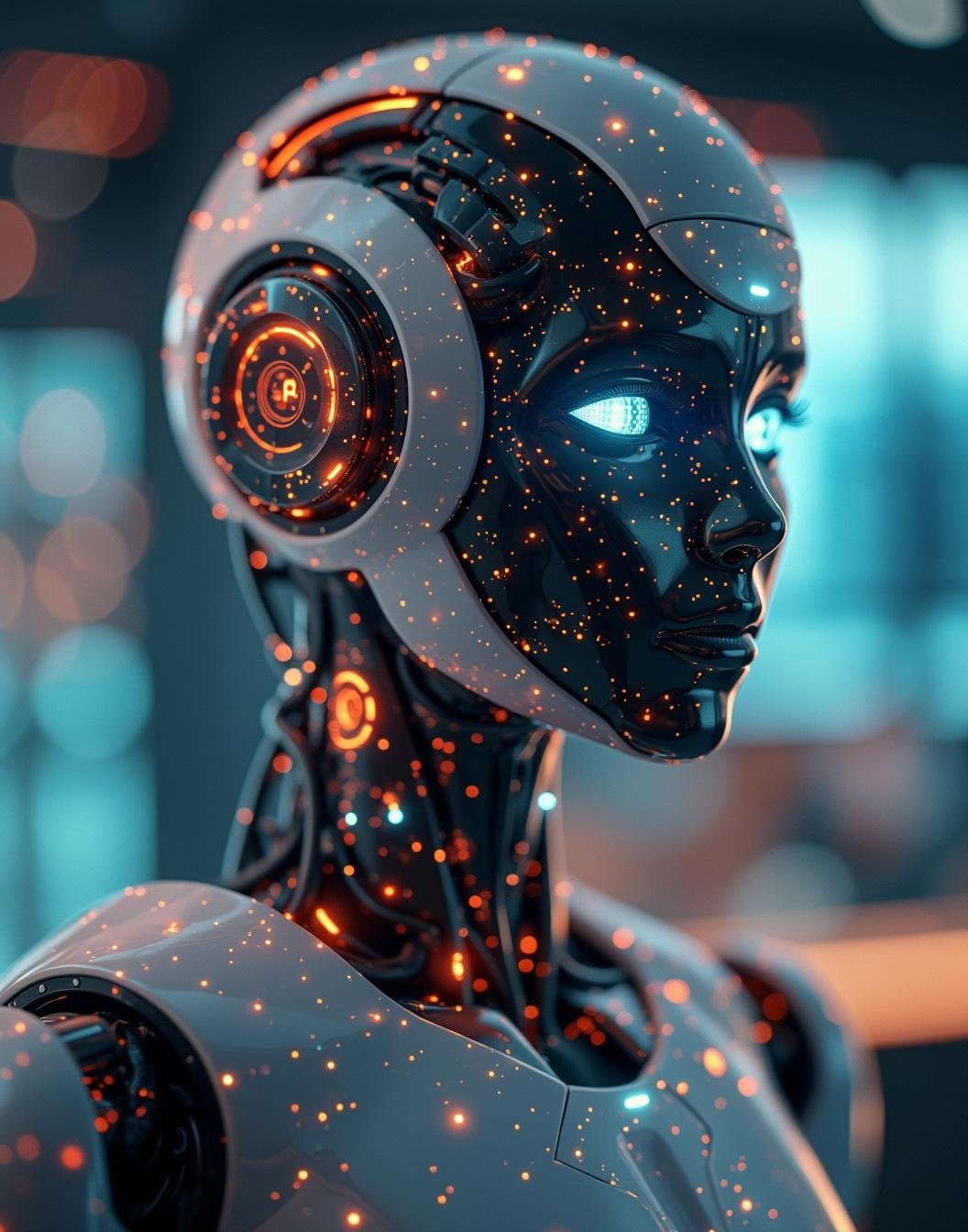
Brands spent the last decade racing to personalize, yet in 2025 that bar looks comically low. Multimodal generative AI now fuses language, images, and voice to produce customer experiences that evolve second-by-second, creating what analysts call “personal realities.” A single content asset can spin into a unique video, a conversational voice assistant, and an adaptive landing page—all generated on the fly and indistinguishable from handcrafted media.
For marketers, this shift collapses the idea of audience segments. Instead of targeting a cohort of similar users, AI tailors stories, offers, and even tone to a literal segment of one. Leaders highlighted by Blog News are treating brand narratives as orchestras: each AI system plays its instrument—text, sound, motion—in perfect synch with real-time customer data. The upside is longer engagement and micro-moment conversions; the challenge is governing bias, misinformation, and regulatory compliance that now vary by individual context.
Early adopters in finance and healthcare show the stakes. Contrary to predictions, regulated firms are leaning in, using strict guardrails and transparency layers to unleash compliant yet deeply human-sounding advisors. Meanwhile, slower peers risk irrelevance as generic content gets filtered out by algorithms or ignored by users conditioned to expect living interactions. Blog News services report that experimentation budgets are quietly swelling, focused on voice cloning, dynamic pricing visuals, and metric frameworks that track adaptive journeys rather than static funnels.
What should CMOs do next? Pilot small, closed-loop experiences that test real-time adaptation across at least two modalities, enforce robust ethical guidelines from day one, and retrain creative teams to think like product managers of an evolving narrative. Those who master personal realities today will be the brands customers choose to “live” with tomorrow.




Leave a Reply